In 2021, Niko Riedinger became a father. That moment sparked a deep need to explore his
family history. He began to dig into the past and uncovered traces of his father’s father, a
physicist who worked on important strategic technologies during the Third Reich. He was
part of a network of “silent technicians” who contributed to the development of radar and
military communication. At the same time, Riedinger discovered complex stories on his
mother’s side, Polish refugees expelled from their homeland, revealing how both family lines
carried the weight of history. Those stories were never openly discussed, but they remained
present in gestures, habits, and quiet moments.
These findings led him back to his birthplace in Bavaria, to the place where he saw his
grandparents from both sides of the family for the last time. The intensity of that return
demanded a counterbalance, something that could offer grounding and gentleness. That led
to the rediscovery of the principle of the Stammtisch (regulars’ table): a ritual of gathering,
listening, and sharing, deeply rooted in Bavarian village culture. The Stammtisch is a fixed
place, often in a pub, where people meet to exchange ideas and experiences. Traditionally
reserved, it symbolizes connection and tradition but also exclusion and loud opinions.
Riedinger connects this local ritual to the sociological idea of the “third place”
, described by Ray Oldenburg, an informal space outside home and work where people meet without
hierarchy or obligation. For him, the Stammtisch becomes a contemporary third place: an
analog space to connect, to give voice to what is unspoken, and to bring together stories,
gestures, and collective memory.
Riedinger’s artistic practice begins in that silence. He resists the notion of a fixed, knowable
whole, opting instead for a fluid approach: layered, fragmentary, and in motion. His work
explores how our view of the world is shaped by upbringing, culture and shared symbols and
how moral understanding shifts when those structures shift.
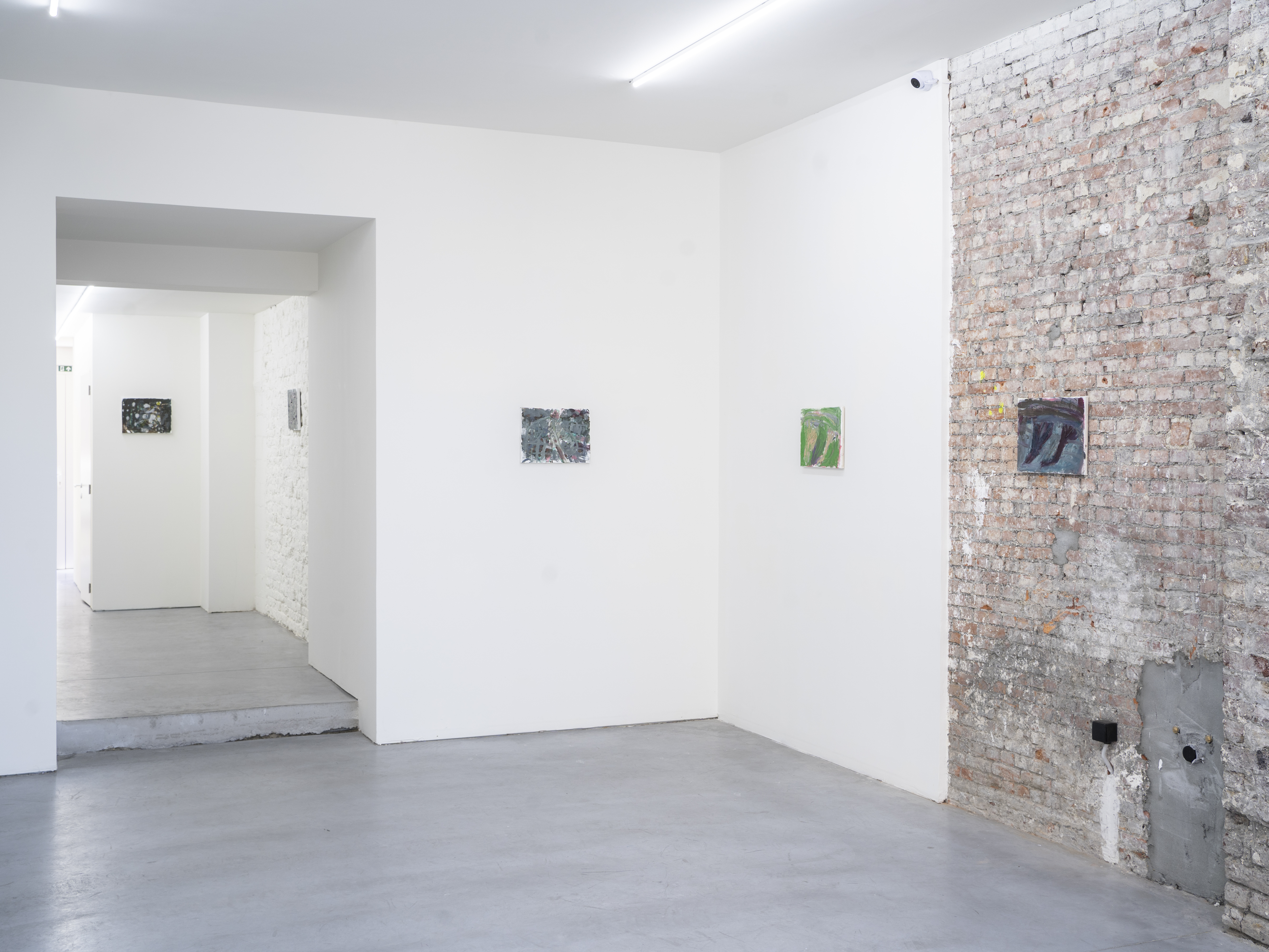
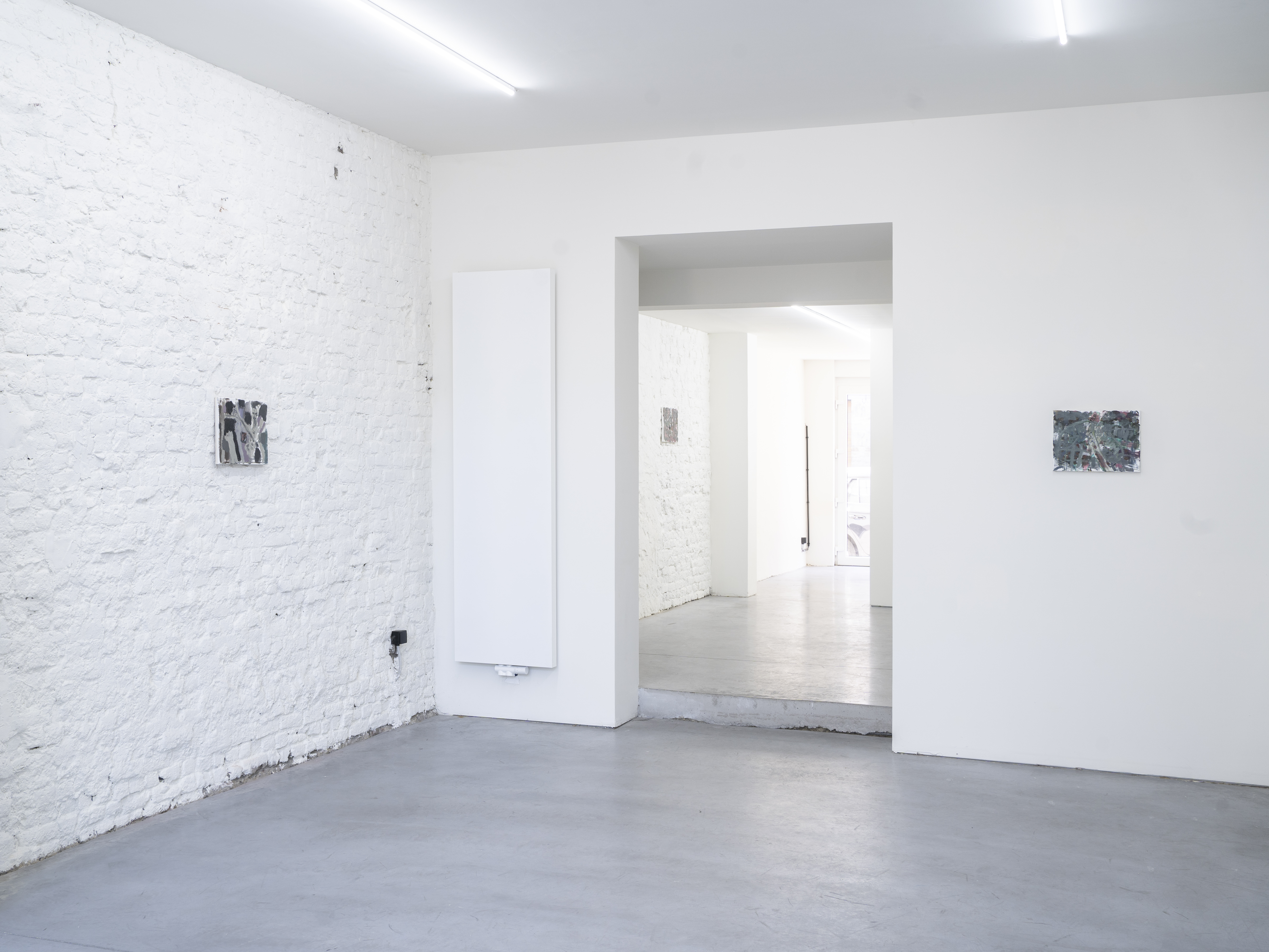
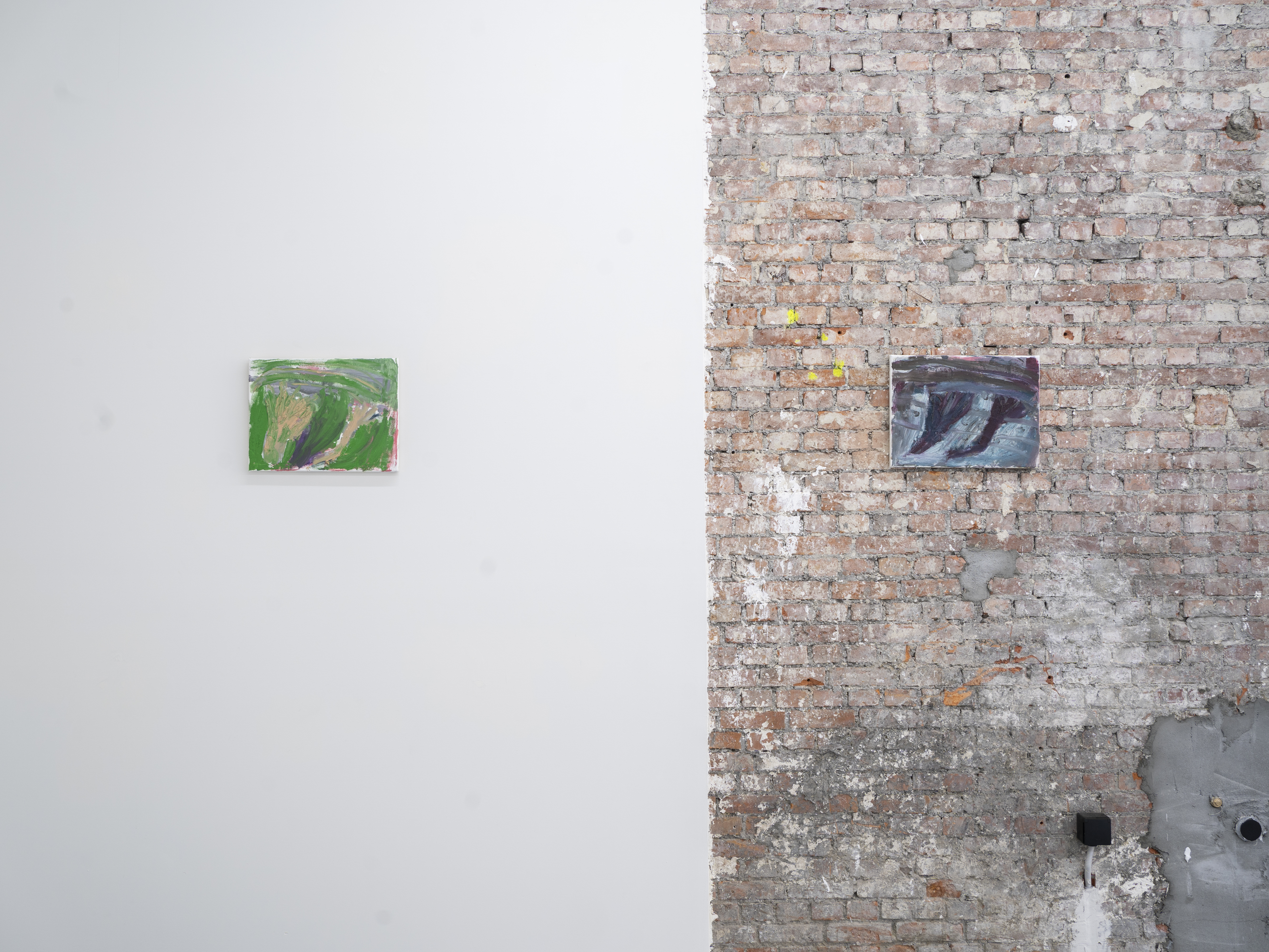
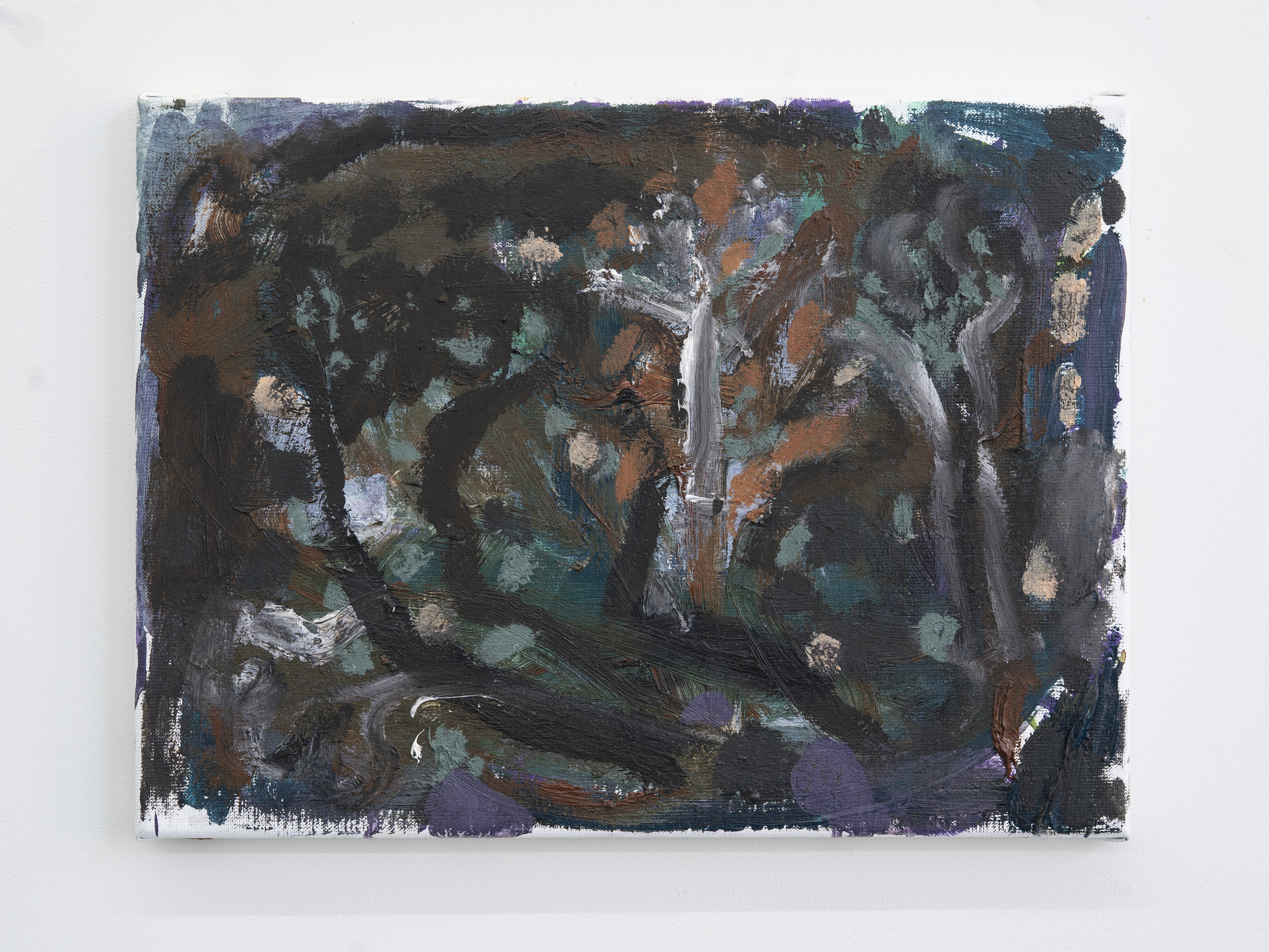
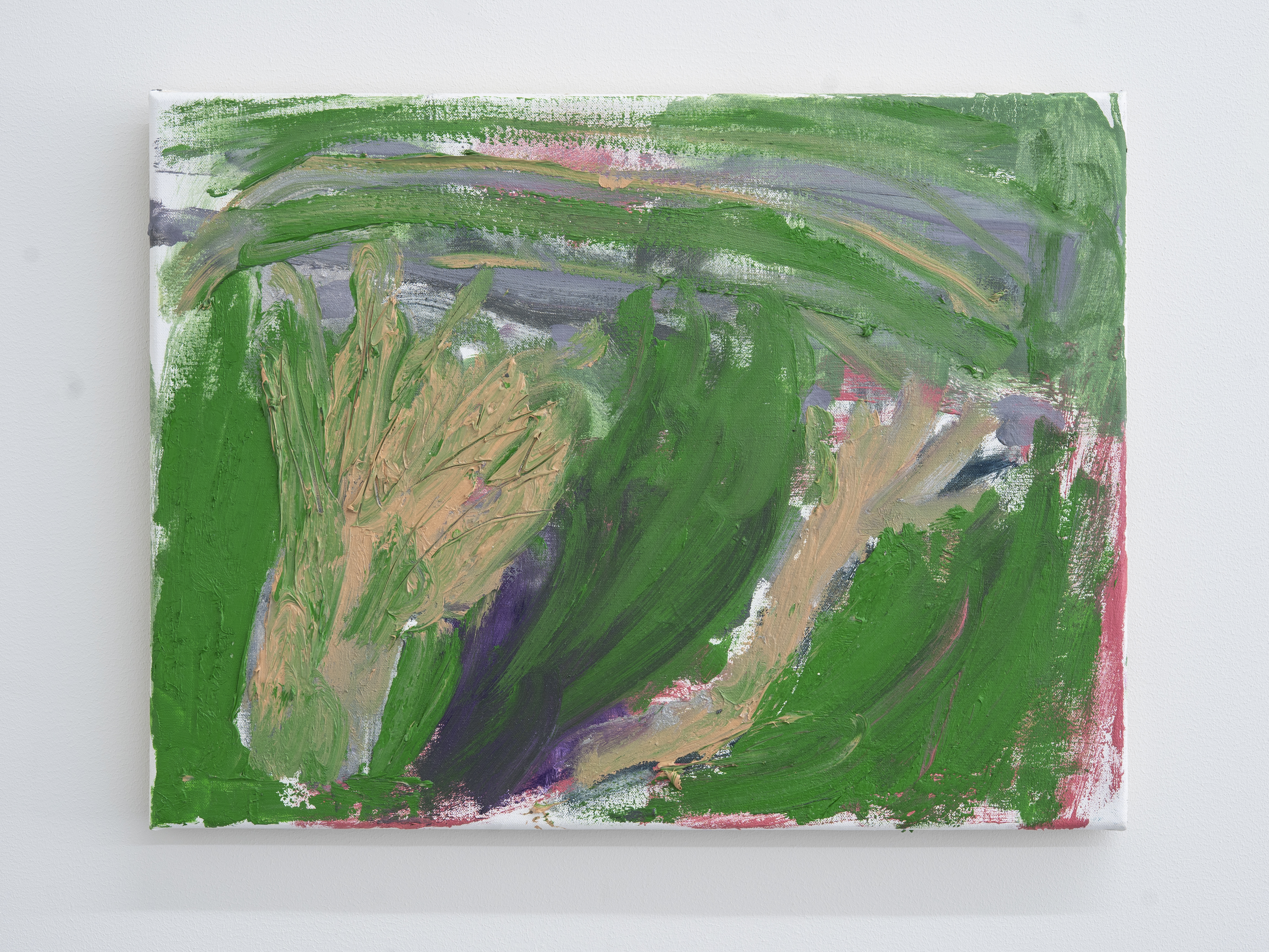
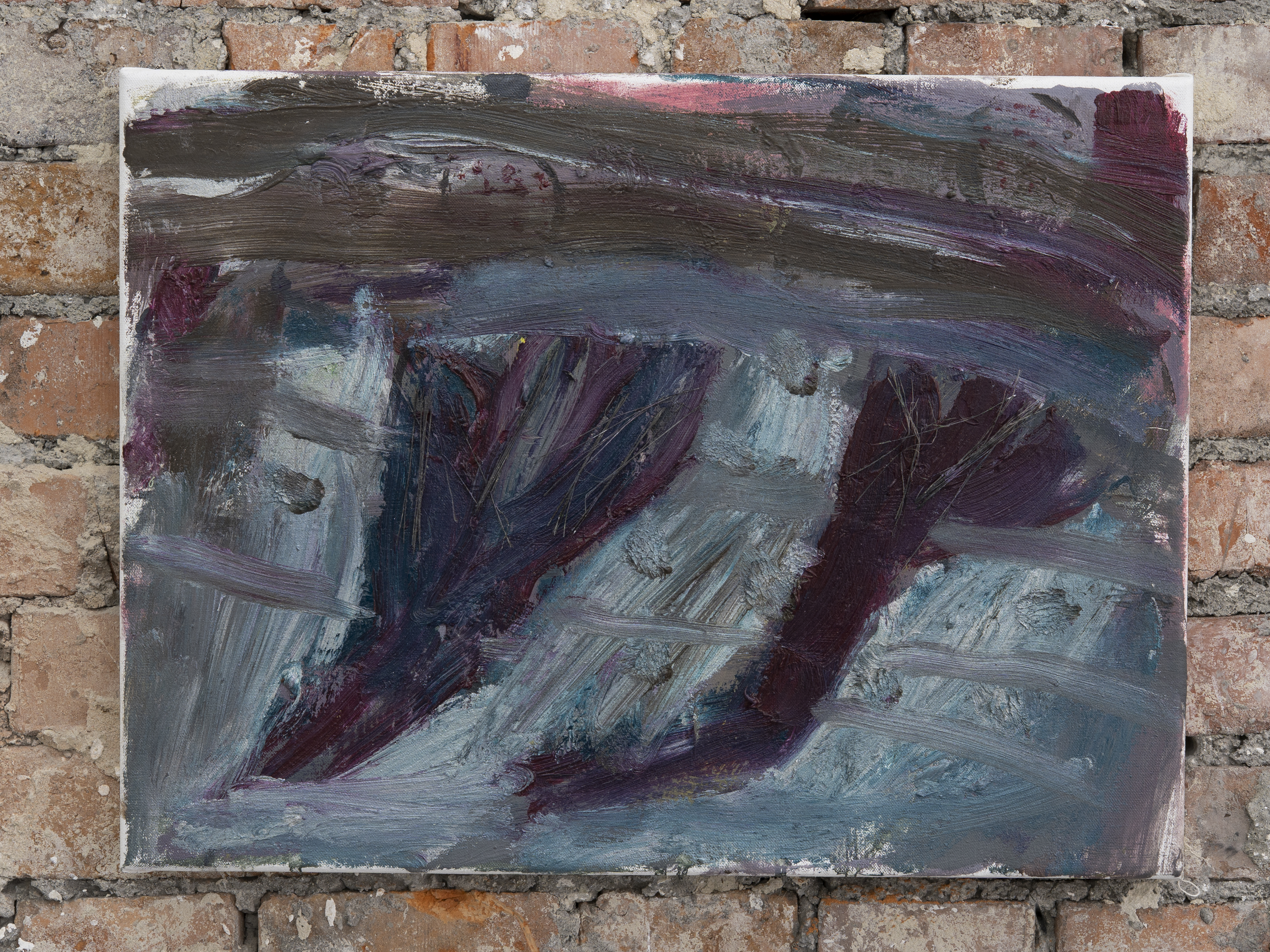
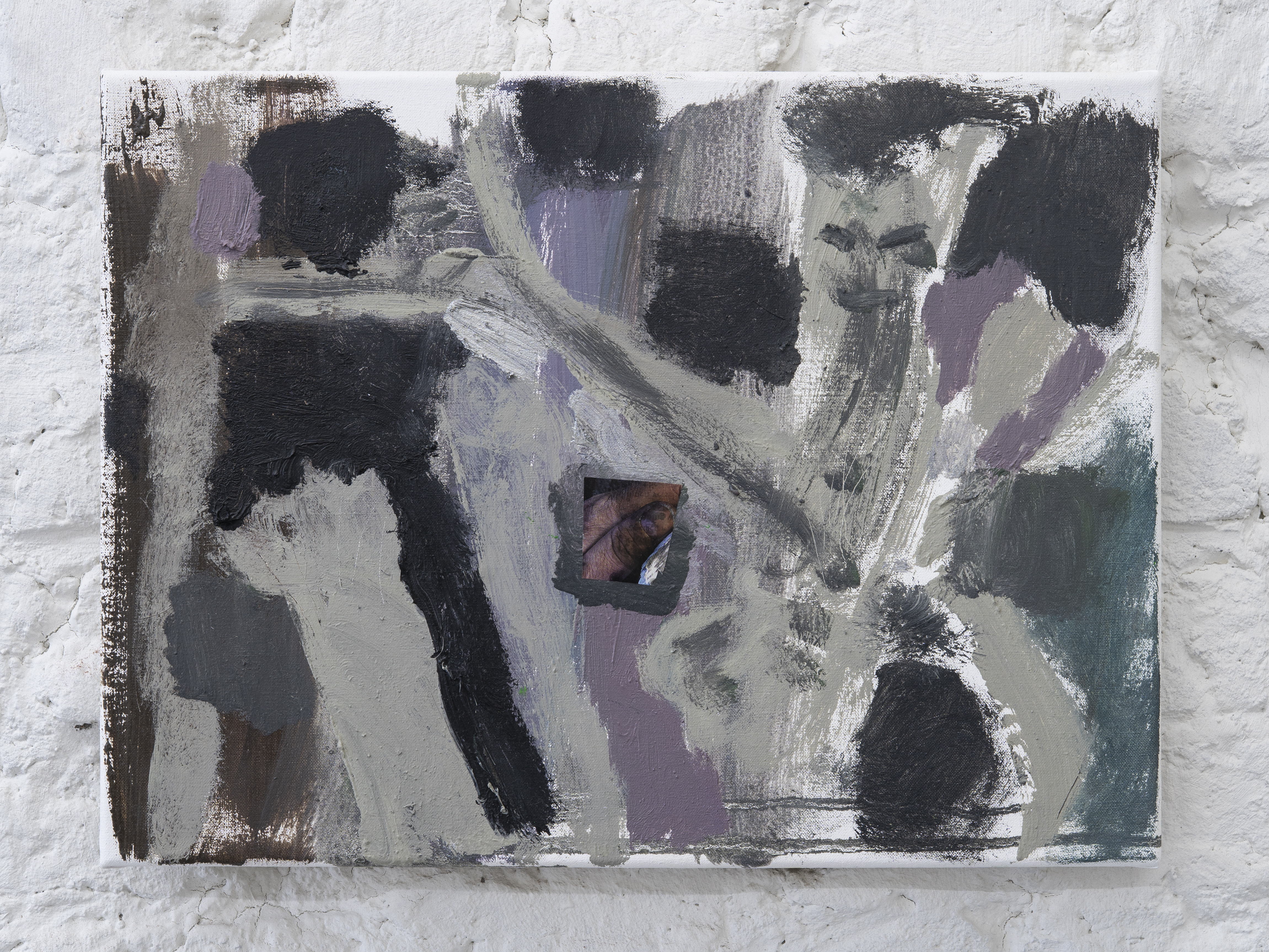
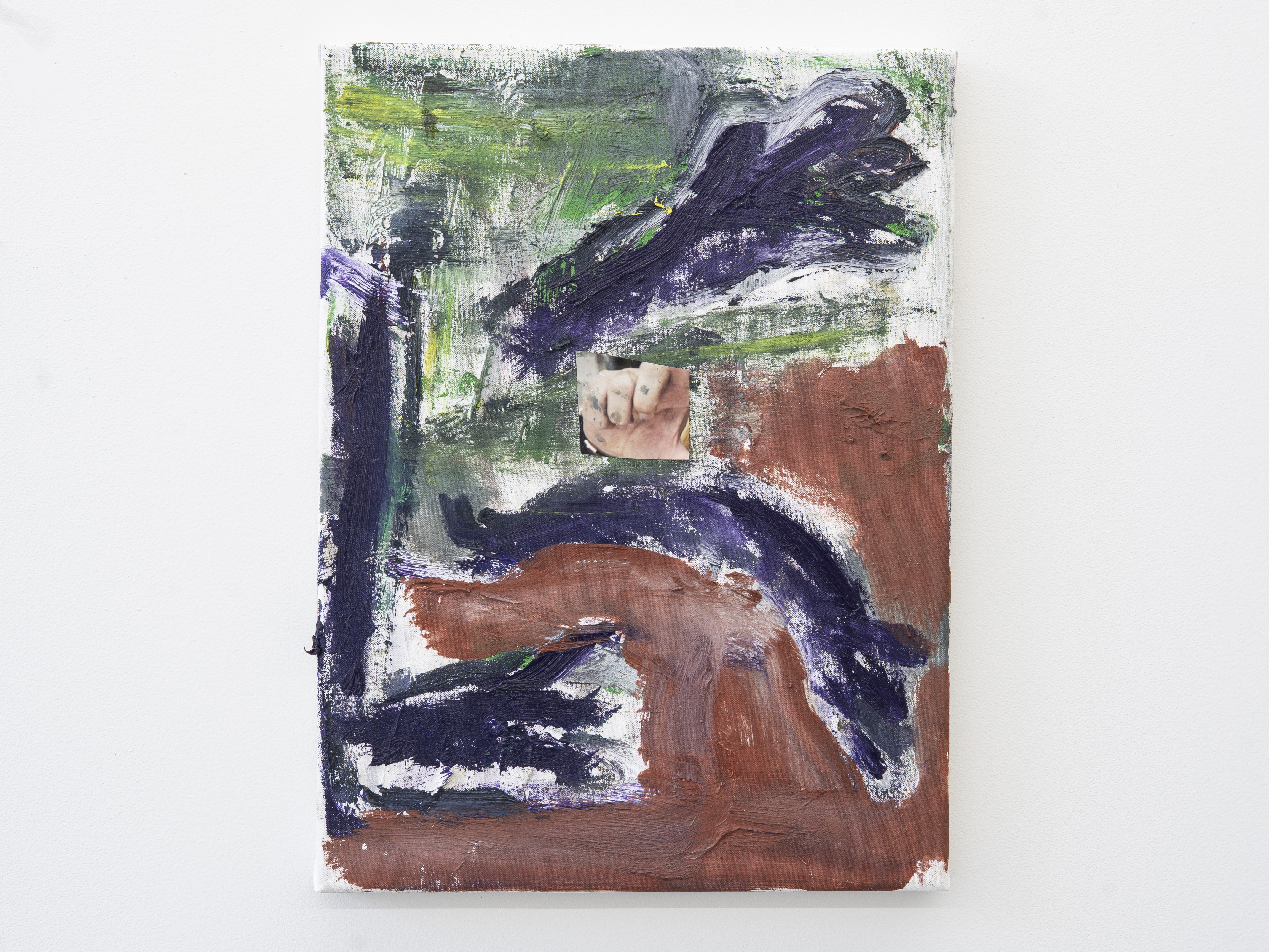
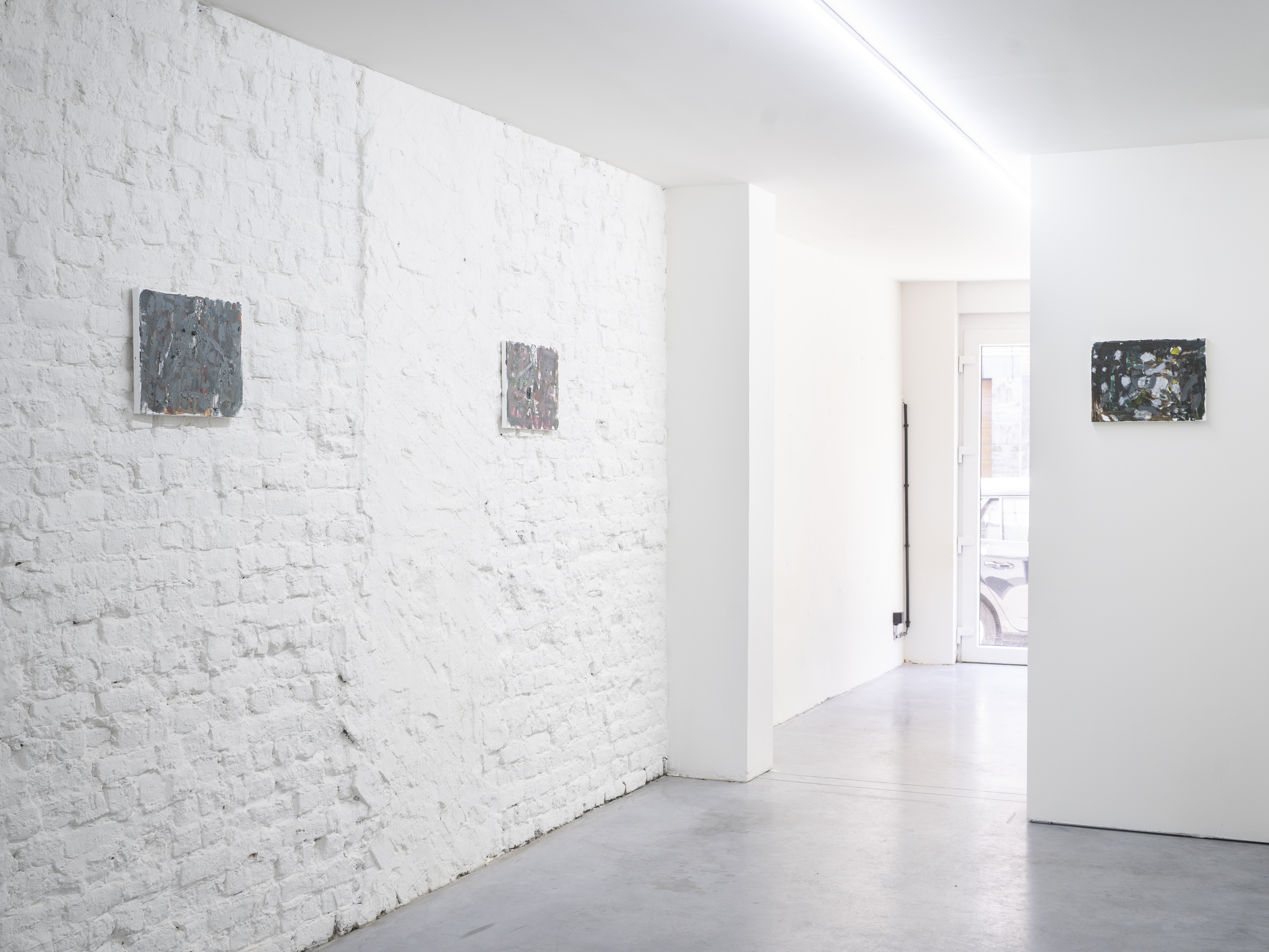
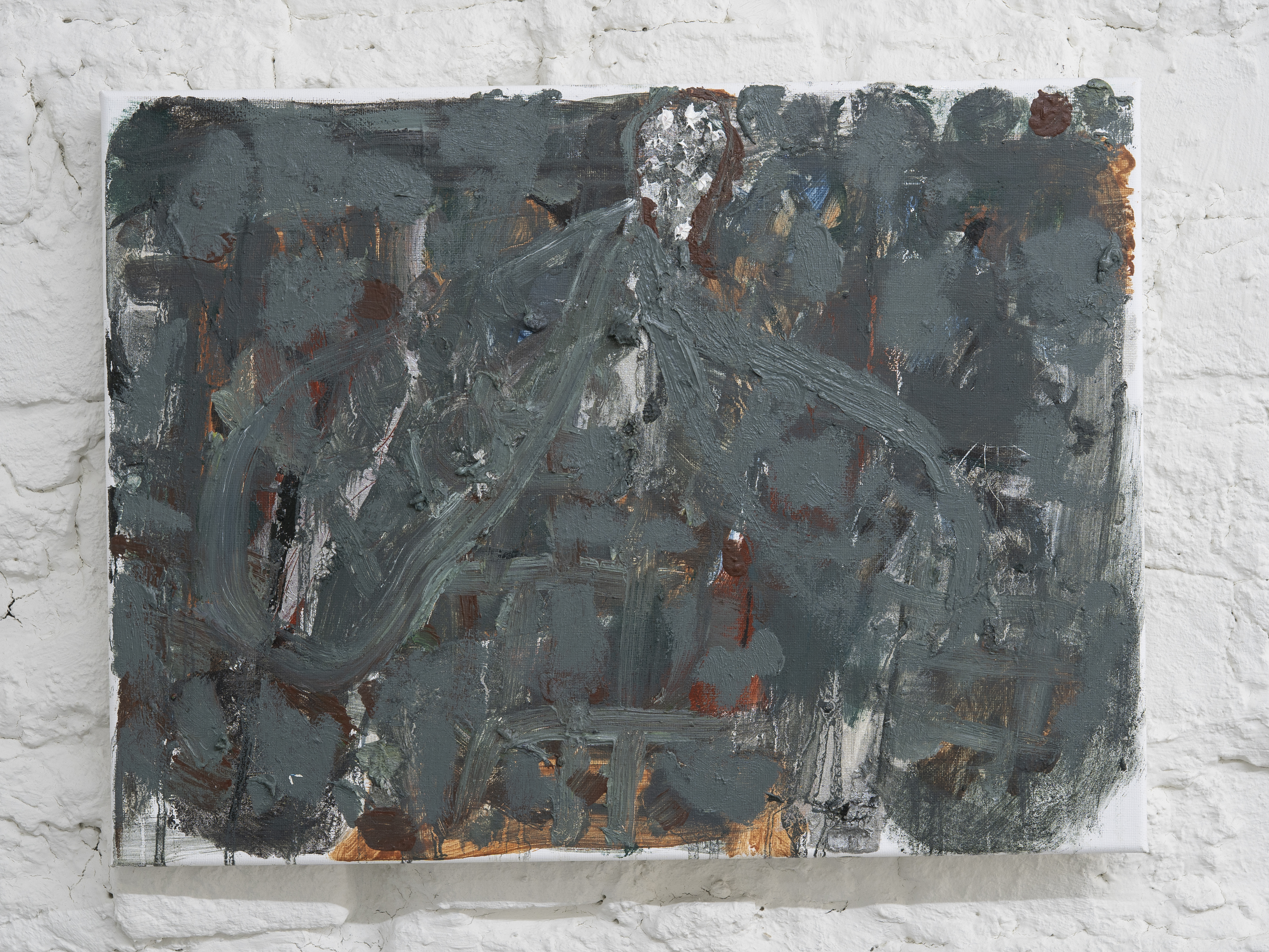
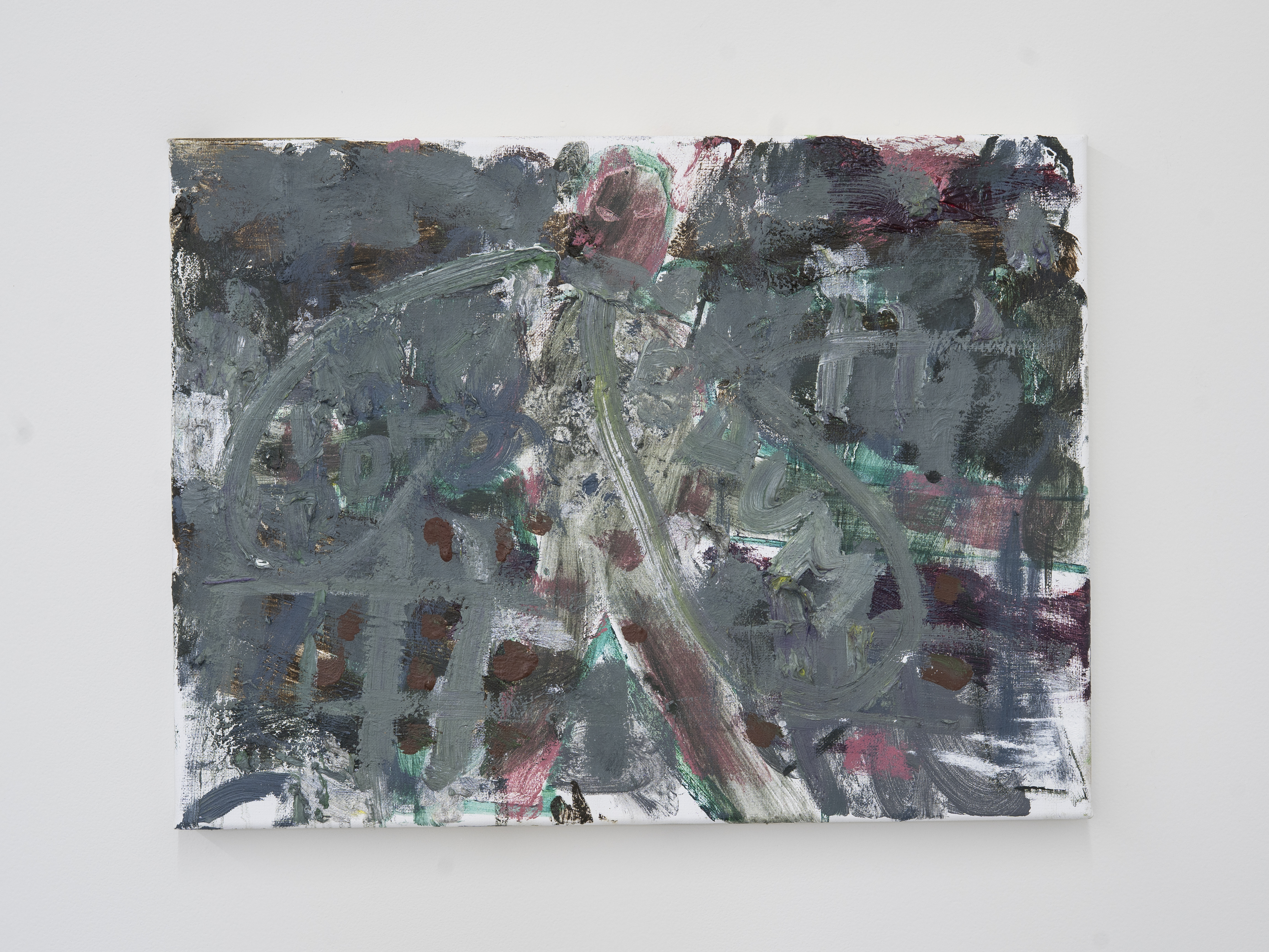
In Gazes from the Table, Riedinger fathoms how places of gathering carry meaning, how
those spaces of encounter, history, family, and community intertwine and cluster. He
examines how conversation, sometimes loud and sometimes quiet, can become a way of
seeing. The table in this exhibition is not an object, but the idea of one, a place imagined,
carried in memory and gesture. It is not a thing to touch, but a thought that gathers voices, a
surface of remembrance rather than wood. Riedinger links the gaze to his own family history
and to the broader question of how the past continues to shape the present. His work
reveals what often remains unspoken: the traces of origin, belief, and memory that settle into
everyday life. Rather than seeking consensus, Riedinger invites resonance. His works are
porous and open, creating space for reflection, friction, and transformation. Meaning
emerges not from clarity, but from the encounter of what we see together that we could not
see alone.